Most physiotherapy clinics have a tough time showing up when local patients search for help online. Your practice might offer excellent care, but if you’re not visible in local search results, potential patients will find your competitors instead.
Local SEO helps your physiotherapy clinic appear at the top of search results when people in your area look for services like pre-natal physiotherapy, sports injury treatment, or neurophysiotherapy.
You don’t need to be a tech expert to improve your local rankings. Simple changes to your website and online presence can bring more patients through your door.
The difference between ranking first and fifth in local search results can mean dozens of missed appointments each month. That’s a lot of people who might never even know you exist.
This guide walks you through proven strategies to boost your visibility in local searches. You’ll learn the basics every physiotherapy clinic needs to get right, plus a few advanced tactics to stay ahead of other practices nearby.
Mastering Physiotherapy Local SEO Basics
Getting your physiotherapy clinic to show up when local patients search for help starts with three core fundamentals. You need a strong Google Business Profile, consistent business information across the web, and the right keywords that match what people actually type into search engines.
Google Business Profile Optimization
Your Google Business Profile is your most powerful tool for local search engine optimization. When someone searches “physiotherapist near me” or “physio near me,” Google pulls information straight from these profiles for Maps and local results.
Start by claiming your profile if you haven’t already. Fill out every field Google offers—don’t skip anything.
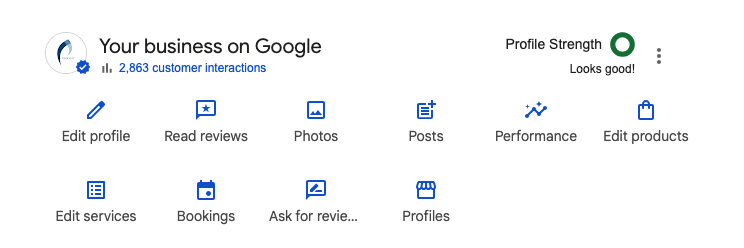
Add your exact services like sports physiotherapy, manual therapy, or post-surgical rehabilitation. Upload high-quality photos of your clinic, staff, and treatment rooms; profiles with photos get 42% more direction requests.
Keep your business hours accurate and update them for holidays. Choose the right primary category (Physical Therapist or Physiotherapy Clinic) and add secondary categories that fit your specialties.
Enable messaging so patients can contact you directly through Google Maps! Post regular updates about new services, health tips, or clinic news. These posts keep your profile active and give you more chances to appear in local searches.
NAP Consistency and Online Directories
NAP stands for Name, Address, and Phone number. These three details must be identical everywhere your physiotherapy clinic appears online.
Even small differences can cause problems. Writing “Street” on one directory and “St.” on another confuses search engines—they can’t tell if you’re the same business, which hurts your rankings.
List your clinic on local directories like Bing Places, Apple Maps, and healthcare-specific platforms. Check existing listings on Yelp, Yellow Pages, and local business directories.
Your NAP should match your Google Business Profile exactly. Create a spreadsheet to track where your business is listed, including the directory name, your listing URL, and the date you verified the information.
Review this quarterly to catch any changes. It’s a bit tedious, but it’s worth the effort.
Keyword Research for Local Visibility
Location-specific keywords help you appear when nearby patients need physiotherapy services. These combine your services with geographic terms that matter to your practice.
Start with basic phrases like “physiotherapy clinic [your city]” or “physiotherapist in [your neighborhood].” Think about what patients actually say when they need help.
They might search “back pain treatment [city name]” or “sports injury physio [area].” Use Google’s autocomplete feature by typing your service into the search bar—Google shows you what real people are searching for in your area.
Look at the “People also ask” and “Related searches” sections for more ideas. Target 5-10 primary local keywords for your on-page SEO and use them naturally in your website’s page titles, headers, and content.
Don’t stuff keywords everywhere; that looks spammy and doesn’t work anymore. Just write like a human who happens to know what they’re talking about.
Advanced Strategies to Attract More Local Patients
Getting more local patients means going beyond basic SEO tactics. You need to focus on building trust through reviews, creating pages for each location you serve, and making sure your website works perfectly on mobile devices.
Patient Reviews and Local Reputation
Patient reviews directly impact your search rankings and your ability to attract new clients. Google reviews are especially important because they show up right in search results when people look for physiotherapy services near them.
Ask satisfied patients to leave reviews after their treatment sessions. Make it easy by sending them a direct link to your Google Business Profile.
The timing matters! Request reviews when patients have just experienced positive results from their therapy. Respond to every review you get—thank people for positive reviews and address negative ones professionally.
This shows potential patients that you care about their experience. Online reviews work as social proof.
When someone searches for a physiotherapist in your area, they’ll compare review counts and ratings before deciding who to contact. Aim to get at least 3-5 new reviews each month to stay competitive.
Don’t ignore reviews on other platforms like Facebook or healthcare-specific sites. While Google reviews matter most for local SEO, patients often check multiple sources before making their choice.
Location-Specific Pages and Content Optimization
Creating separate pages for each neighborhood or city you serve helps you rank for location-specific searches. These aren’t just about stuffing keywords into generic templates.
Build unique content for each location page. Include the specific address, parking information, nearby landmarks, and conditions you commonly treat in that area.
Add photos of the actual clinic location. Your page titles and meta descriptions should mention the specific location.
A title like “Physiotherapy in Downtown Portland – Sports Injury Specialists” works better than generic titles. Keep meta descriptions under 160 characters so they don’t get cut off in search results.
Service pages need their own focused content too. Create separate pages for sports physiotherapy, post-surgical rehabilitation, chronic pain management, and other treatments you offer.
Use clear title tags that describe exactly what’s on each page. Set up proper internal linking between your location pages and service pages.
This helps search engines understand your site structure and makes it easier for patients to find relevant information. Your URL structure should be simple and descriptive.
Use URLs like yoursite.com/locations/portland instead of yoursite.com/page123.
Technical SEO and Mobile Friendliness
Mobile-first indexing means Google mainly judges your site based on its mobile version. Your website needs to work smoothly on phones and tablets—no excuses these days.
Website speed isn’t just a ranking factor; it’s also about the patient experience. If your pages load in under 3 seconds, you’ll keep visitors around longer.
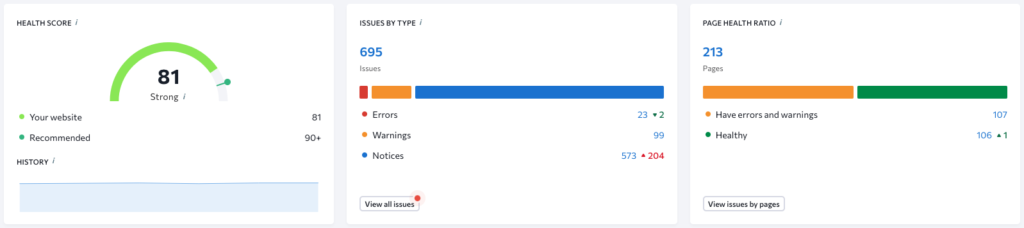
Try compressing images, turning on browser caching, and trimming down unnecessary code to speed things up. You can always check your performance in Google Search Console—worth doing regularly, honestly.
Responsive design lets your site adapt to different screen sizes automatically. Text should be easy to read without any awkward zooming, and buttons really ought to be tappable without frustration.
Forms? They need to be simple enough to fill out on a tiny screen. Nobody wants to pinch and scroll just to book an appointment.
Go ahead and create an XML sitemap, then submit it through Google Search Console. That way, search engines can actually find and index all your pages—otherwise, what’s the point?
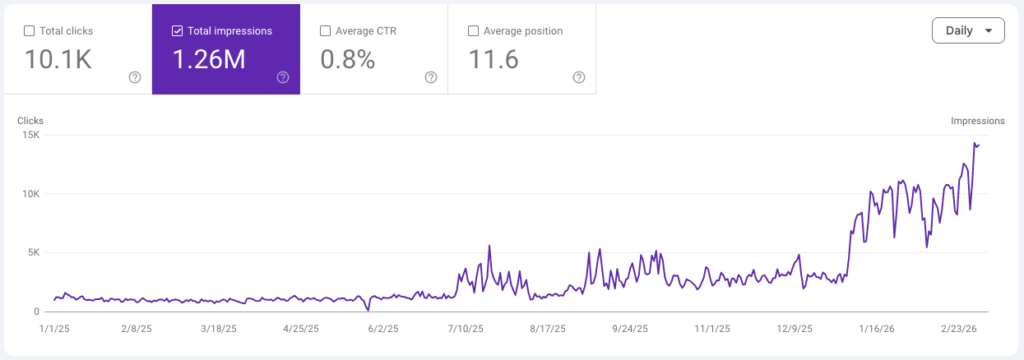
Don’t forget to update your robots.txt file so search crawlers know where to go (or not go). It’s a small step but makes a difference.
Set up GA4—Google Analytics 4—to keep tabs on patient behavior. You’ll want to know which pages get the most traffic, where your visitors come from, and which of your location pages actually convert.
Add schema markup to your site code. This structured data tells search engines details about your business, services, hours, and reviews—sometimes it’s what gets you those eye-catching rich results with star ratings and business info.
Don’t overlook mobile optimization details. Make sure phone numbers are clickable, your booking form actually works on mobile, and navigation menus are easy enough to use with just a thumb.
It’s these small tweaks that can really turn visitors into patients. Sometimes it’s the little things that tip the scale.